All Posts: External Links
535 Articles

- GUMC Stories
School of Health Associate Professor Awarded Magis Prize for Research on Protein Receptors
Blythe Shepard, PhD, associate professor in the Department of Human Science in the School of Health, received Georgetown University’s Magis Prize for her research on understudied…
October 2, 2025
- GUMC Stories
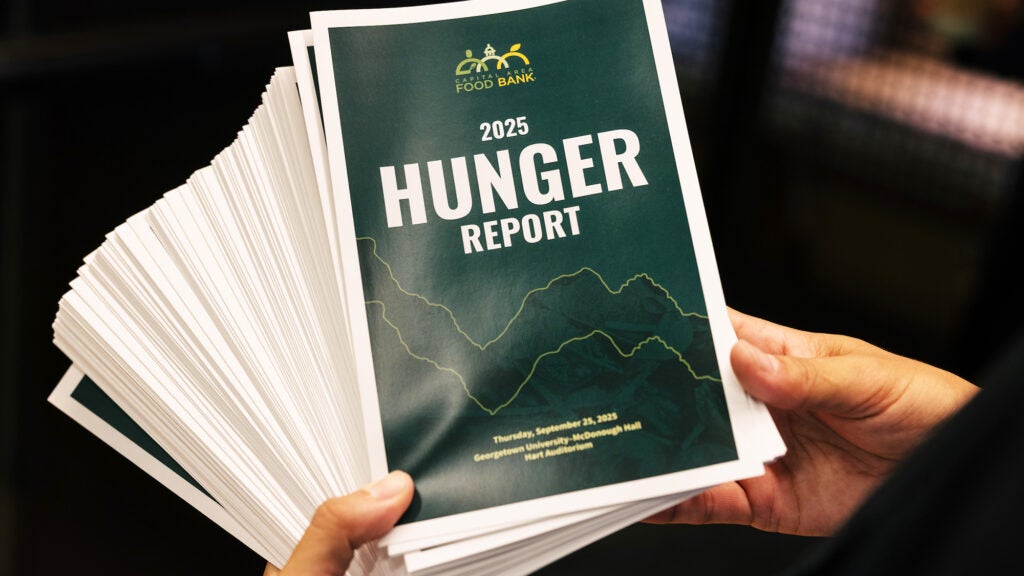
New Report from Capital Area Food Bank Identifies Troubling Trends in Food Insecurity
A new report on hunger from the Capital Area Food Bank found that the percentage of people experiencing very low food security in the Washington, D.C., area has increased to 22%,…
October 2, 2025
- GUMC Stories
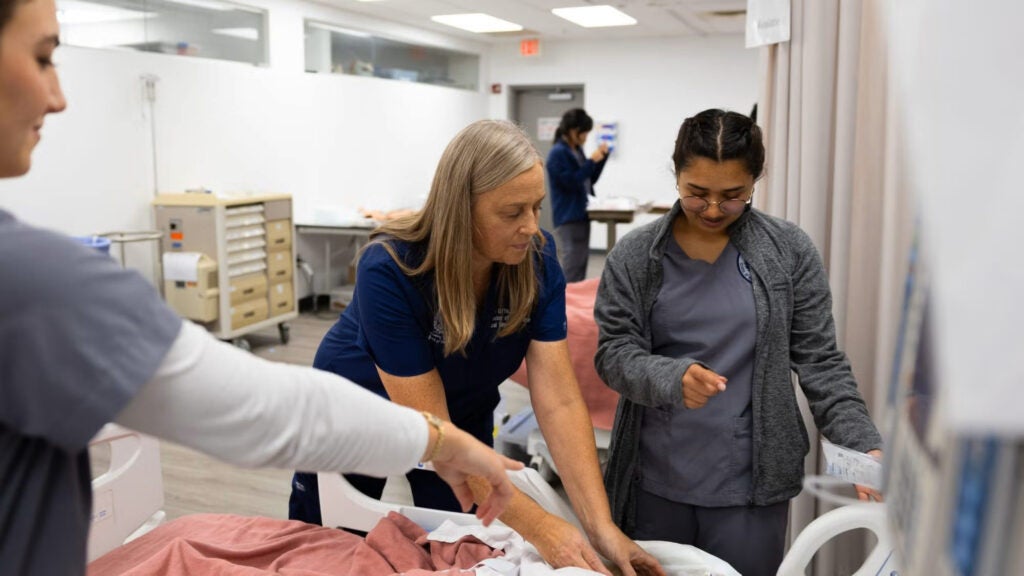
From the Hospital to a Simulation Lab, a Nurse Finds Her Purpose and Passion
As part of Georgetown Faces storytelling series, meet Kelli Giffin, director of the O’Neill Family Foundation Clinical Simulation Center, a high-tech learning environment that…
October 2, 2025
- GUMC Stories
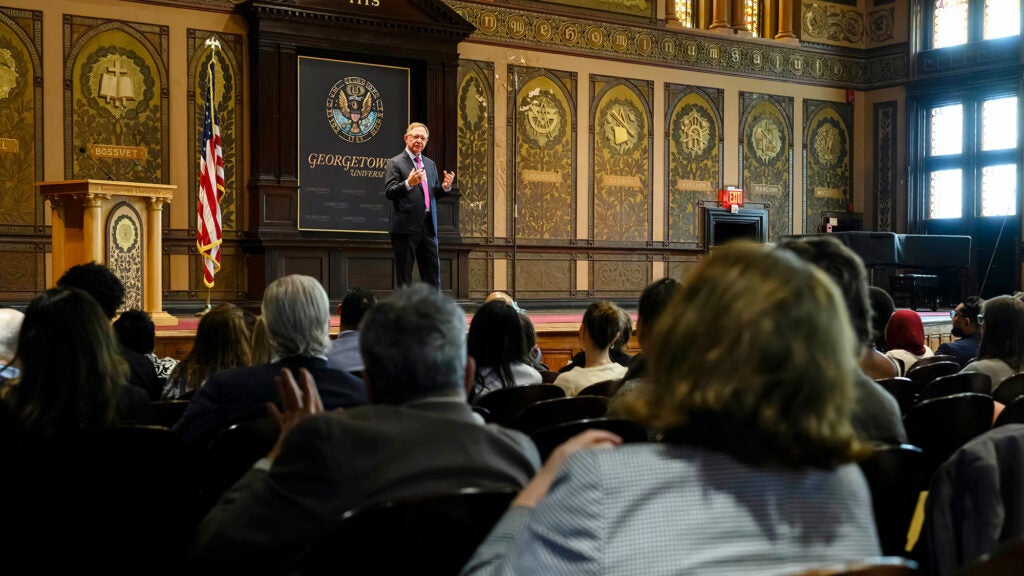
Cultivating a ‘Get To’ Mindset, Honoring the Call to Serve
Health care leader, author and philanthropist Quint Studer delivered a lecture on September 4 in Gaston Hall, challenging attendees to cultivate what he described as a “get to”…
October 2, 2025
- GUMC Stories
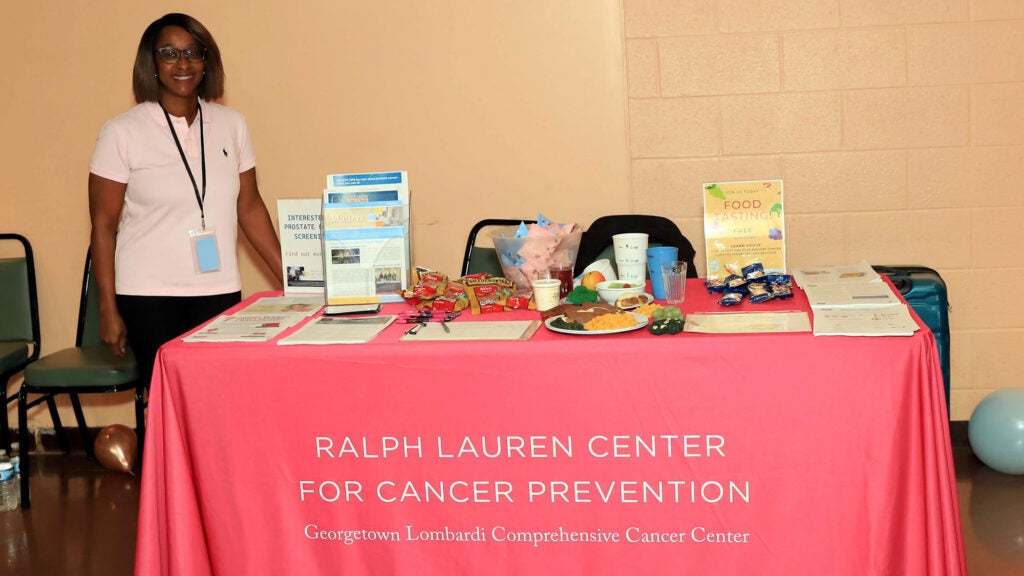
Ralph Lauren Center Pastoral Initiative Collaborates with Local Churches to Offer Cancer Education and Screening
Community outreach and engagement is a priority for the Ralph Lauren Center for Cancer Prevention at Georgetown University’s Lombardi Comprehensive Cancer Center, and as its…
September 18, 2025
- GUMC Stories
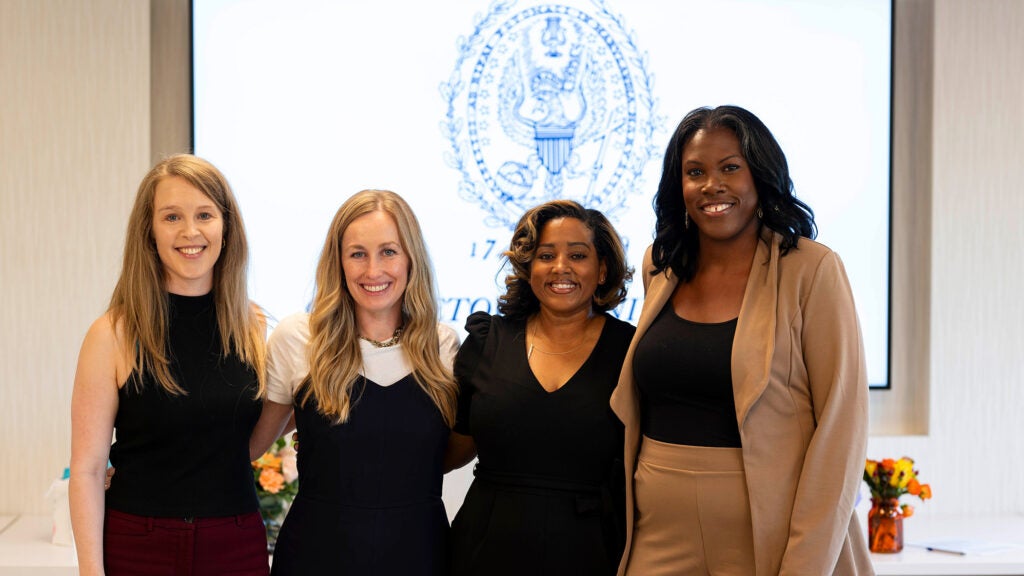
PhD in Nursing Program Launches at Berkley School of Nursing
Georgetown’s Berkley School of Nursing celebrated the launch of its new PhD in Nursing program and welcomed the first student cohort during a reception at the University’s…
September 11, 2025
- GUMC Stories
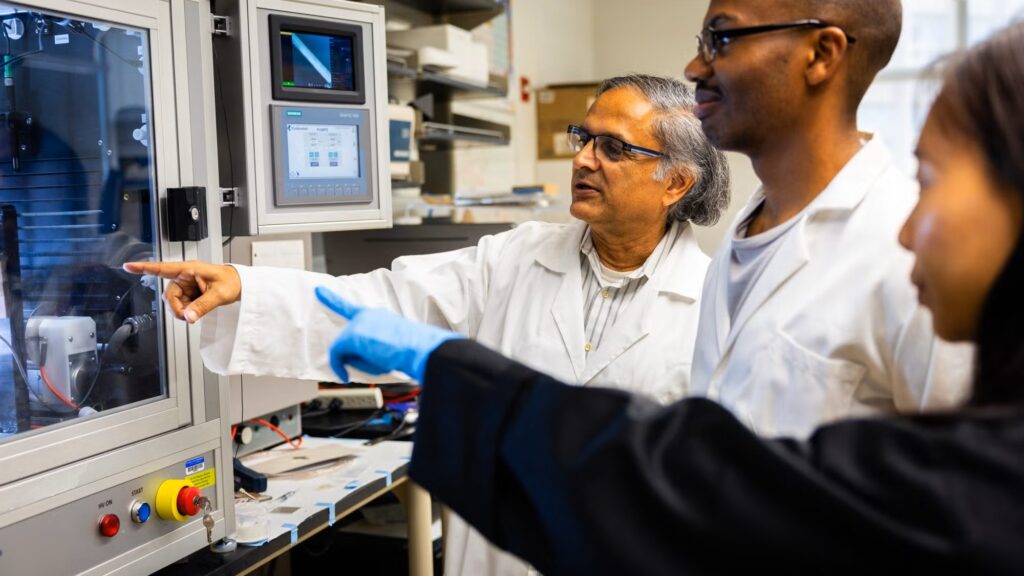
Why Research Matters at Georgetown
Georgetown researchers have made significant contributions to every academic field over the university’s long history, from the creation of a life-saving vaccine to the discovery…
September 9, 2025
- News Release
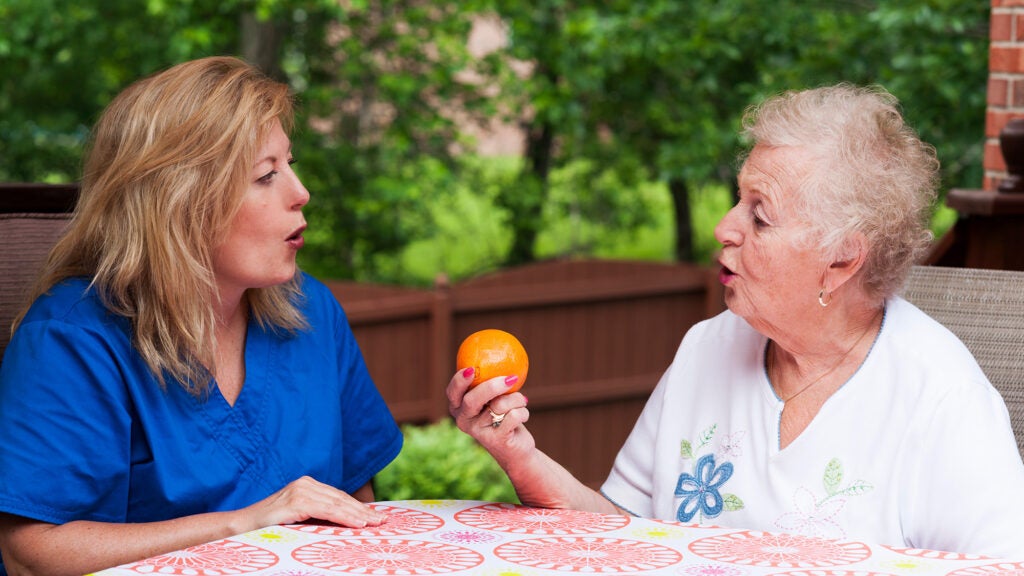
New NIH-Funded Study Deepens Understanding of How Some Stroke Patients Can Recover Their Ability To Communicate
A new NIH-funded study led by Georgetown University Medical Center researchers deepens our understanding of the role that the right side of the brain can potentially play in…
September 8, 2025
- News Release
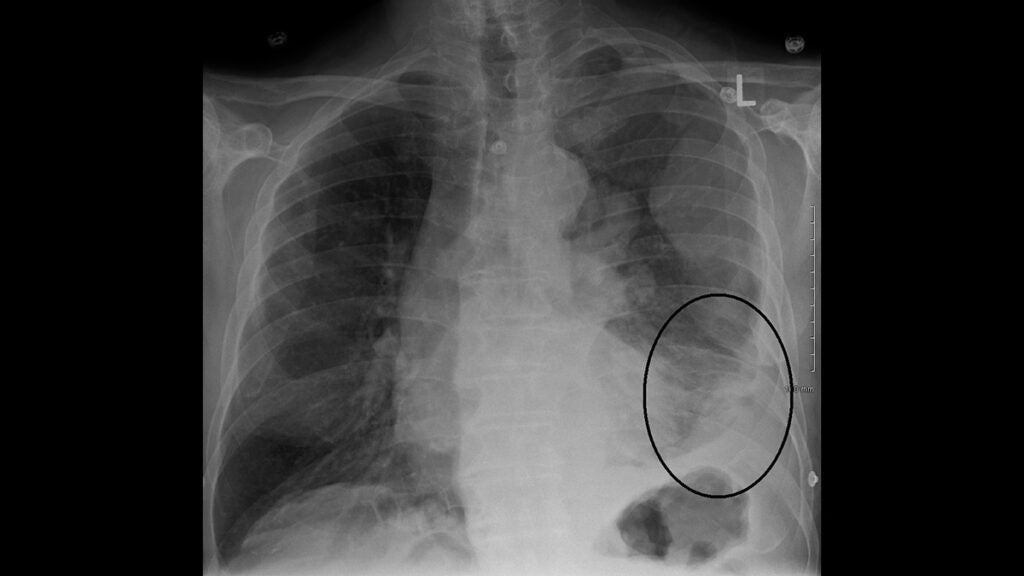
Clinical Study Deepens Understanding of Mesothelioma and Opens the Door to Potential Treatment Options
People with operable diffuse pleural mesothelioma may benefit from immunotherapy before and after surgery, based on results of a clinical trial exploring the sequence of…
September 8, 2025
- GUMC Stories
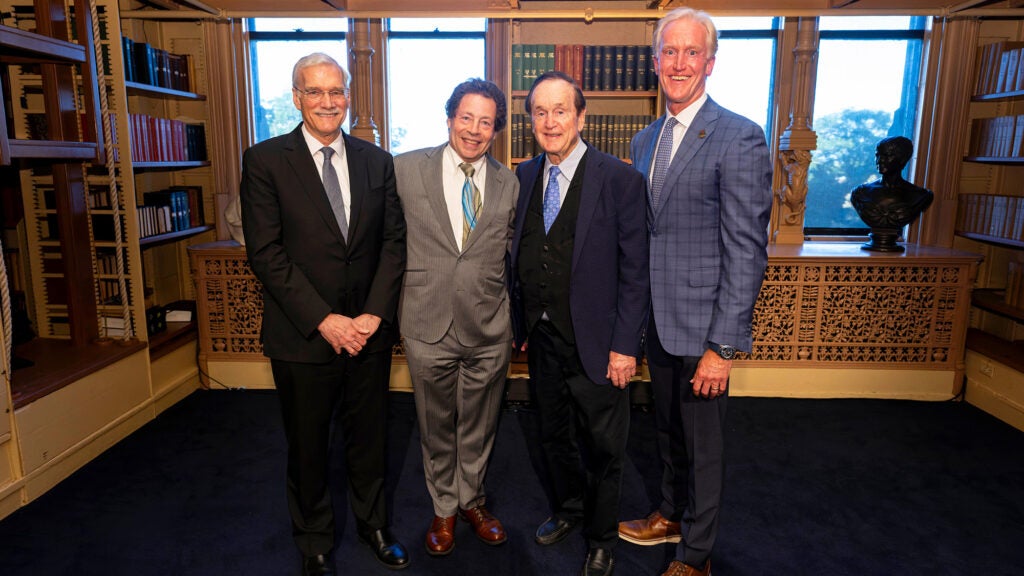
Toretsky Named Inaugural Hyundai Hope on Wheels Endowed Chair in Pediatric Oncology
In honor of his dedication to pediatric cancer research, Jeffrey A. Toretsky, MD, professor of oncology at Georgetown University School of Medicine, was formally named the…
September 7, 2025